


MEET PERCY TISDALL
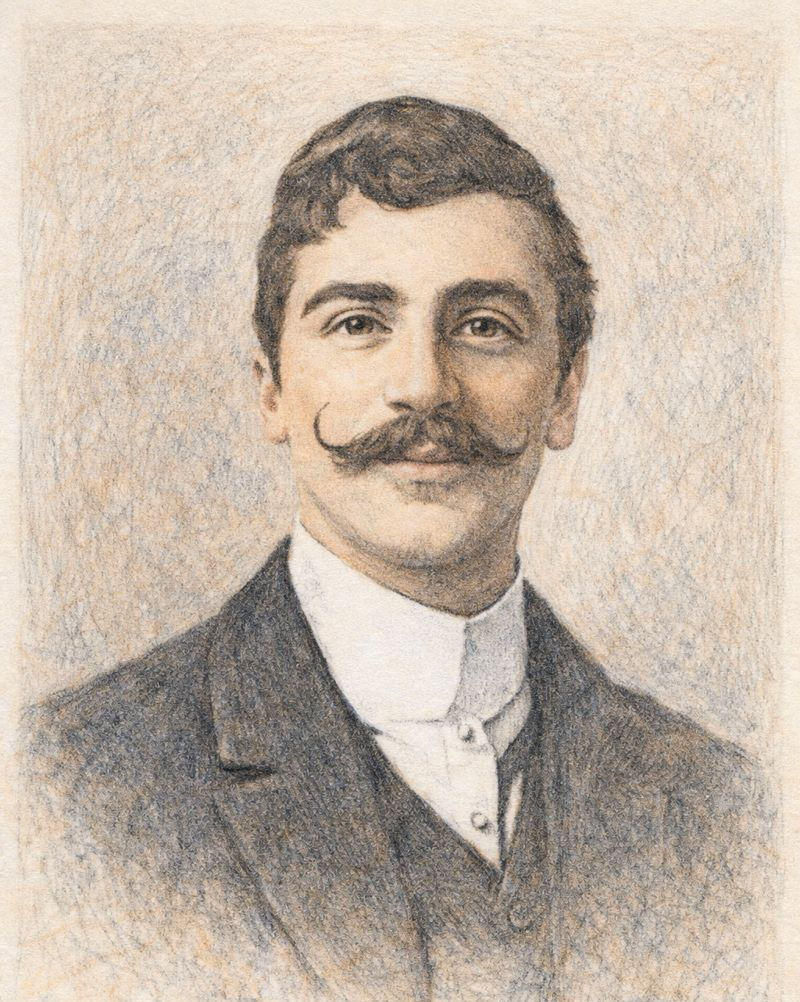
Percy Tisdall is remembered first for his beauty.
He is strikingly handsome — fair, finely featured, and quietly charismatic in a way that draws attention without effort. People notice Percy. Customers remember him. Yet alongside this physical beauty runs a constant fragility. From early adulthood, his health is delicate, his strength unreliable, his energy easily depleted. There is always a sense that he must be careful, that his body cannot be pushed in the way others’ can.
Percy works as a barman in Mayfair, a role that suits him in unexpected ways. He is courteous, well presented, and attentive — able to move smoothly through an elegant space without ever dominating it. The job places him close to wealth, power, and excess, yet he remains on its margins, serving rather than belonging. He listens more than he speaks, observes rather than intrudes.
There is a quiet irony in this life.

By night, Percy stands behind polished bars serving strong men drinks that promise vitality and escape. By day, his own body betrays him — lungs weakening, energy fading, illness creeping in silently. The contrast is never stated outright in the novel, but it is keenly felt.
When Percy becomes ill, the truth can no longer be avoided.
He is diagnosed with tuberculosis, the great wasting disease of the age — an illness that carries not only physical decline, but fear, stigma, and isolation. Percy is sent away to a sanatorium, removed from the rhythms of family and work, placed instead in a world of fresh air regimes, silence, and enforced rest.
His separation from home is devastating in its quietness.
Letters travel back and forth. Hope lingers longer than it should. There is always the suggestion that improvement might come, that youth and beauty might yet save him. But Percy’s decline continues, steady and unstoppable.
He dies in the sanatorium in his late twenties.
There is no drama, no final speech, no heroic moment. Percy’s death is one of attrition — the slow extinguishing of a young life that never had the chance to harden into adulthood. His loss lands heavily on the family, not only because he is gone, but because of what he represented: promise, gentleness, and the cruel unfairness of illness.
In The Tisdalls, Percy Tisdall stands for a particular Edwardian tragedy — the beautiful young man undone not by vice or war, but by disease. His story reminds the reader that long before antibiotics, survival was often a matter of luck, and beauty offered no protection at all.
Percy is remembered not for what he achieved, but for who he was — and for the aching sense that his life ended before it truly began.


Comments